
Global markets took a hit today as the escalating Iran War sent shockwaves through trade and central banks, pushing oil prices higher. But amidst the turmoil, Bitcoin surprisingly outperformed, while corporate giants like Berkshire Hathaway and Target made headlines with strategic plays.
📊 Market Snapshot
🌍 What's Happening
The global financial landscape is heavily influenced by the escalating Iran War, which remains the dominant theme. Geopolitical tensions are causing significant disruptions to global trade, driving up crude oil prices despite historic emergency stockpile releases, and forcing major central banks worldwide to re-evaluate their monetary policies. Amidst this uncertainty, Bitcoin has notably outperformed traditional assets, suggesting a potential shift in investor safe-haven preferences. Corporate news features major M&A talks in the gaming sector, a key retailer's aggressive pricing strategy, and Berkshire Hathaway's potential resumption of share buybacks, while regulatory shifts in the US and currency volatility in Asia also command attention.
Today's Hot Topics:
📰 Top Stories
1. Trump’s War Jolts Global Central Banks From Fed to ECB to BOJ
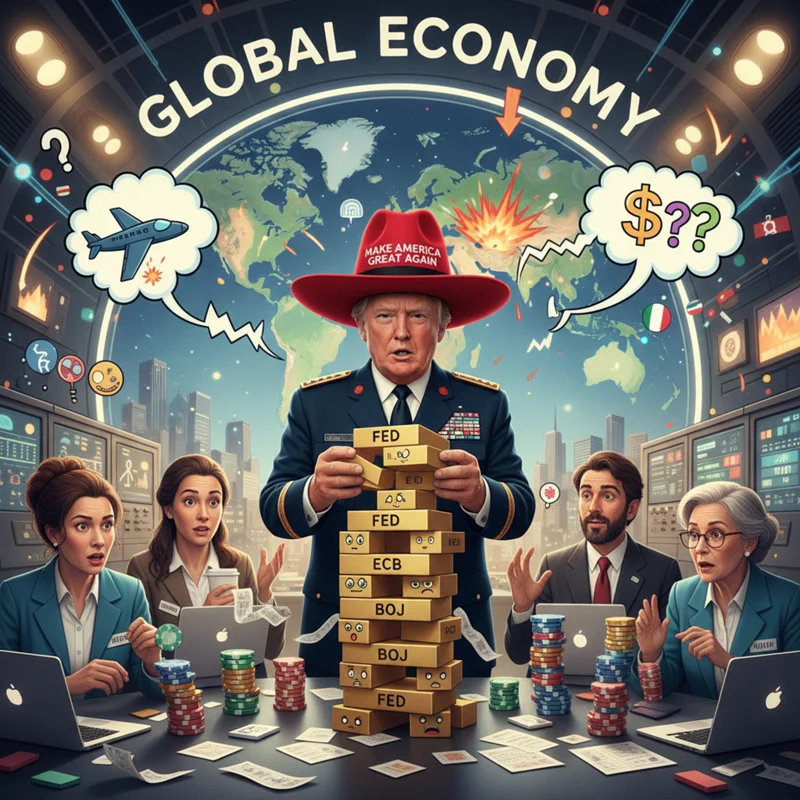
The escalating conflict in Iran, initiated by the Trump administration, is profoundly challenging major global central banks like the Federal Reserve, ECB, and Bank of Japan. This geopolitical instability complicates their monetary policy decisions, particularly concerning inflation control and maintaining economic stability amidst rising uncertainty.
💡 Why It Matters
Central bank decisions directly influence interest rates, borrowing costs, and economic growth. Unexpected policy shifts due to geopolitical pressures can trigger significant market volatility, impacting everything from mortgage rates to investment returns. Retail investors should monitor these shifts for potential impacts on their savings and debt.
📈 Market Impact
Expect heightened volatility across equity, bond, and currency markets. Central banks may be forced into unexpected interest rate hikes or other policy adjustments to combat inflation or stabilize economies, potentially leading to a 'flight to safety' into less risky assets like government bonds or certain commodities.
2. The Iran War Is Now Disrupting Global Trade

The escalating Iran War is severely disrupting global trade routes and supply chains, hindering the movement of goods and commodities. Reports of tanker attacks and heightened tensions in critical shipping lanes, particularly the Strait of Hormuz, are raising serious concerns about the stability and cost of international commerce.
💡 Why It Matters
Disruptions to global trade translate to higher prices for consumers, potential product shortages, and increased inflation. This directly impacts corporate profits and overall economic growth. Retail investors should assess their portfolios for exposure to companies heavily reliant on global supply chains and consider diversification.
📈 Market Impact
Negative for industries with complex global supply chains and consumer discretionary sectors due to rising costs and potential shortages. Conversely, logistics and shipping companies capable of navigating these challenges might see increased demand and pricing power. Expect persistent, broad-based inflationary pressures.
3. The biggest release of emergency oil stockpiles in history was announced. Why crude may keep rising
Even after the largest emergency oil stockpile release in history, crude oil prices are still projected to climb. This unexpected market behavior stems from the ongoing Iran War, which continues to drive profound supply concerns and geopolitical risk premiums, effectively nullifying efforts to boost immediate supply.
💡 Why It Matters
Higher crude prices mean increased costs for fuel, transportation, and manufacturing, directly impacting your wallet through higher prices for goods and services. This persistent inflation can erode purchasing power and slow economic growth. It underscores how geopolitical risks can override traditional supply-demand dynamics.
📈 Market Impact
Strongly positive for oil and gas producers and the broader energy sector. Conversely, it's negative for energy-intensive industries like airlines, shipping, and manufacturing, which face higher operational costs. Consumers will likely see reduced discretionary spending due to increased fuel and utility bills, contributing to sustained inflation.
4. Bitcoin beat the S&P 500, Nasdaq Composite and gold since the start of the Iran war
Since the Iran War began, Bitcoin has dramatically outperformed traditional safe havens like gold, alongside major indices such as the S&P 500 and Nasdaq Composite. This trend suggests a growing investor perception of cryptocurrency as a potential hedge against geopolitical instability and an alternative safe-haven asset during crises.
💡 Why It Matters
This signals a potential shift in how investors view safe-haven assets, with Bitcoin gaining traction during geopolitical turmoil. For retail investors, this could mean re-evaluating traditional portfolio diversification strategies and considering a small, speculative allocation to cryptocurrencies, understanding their inherent volatility.
📈 Market Impact
Positive for Bitcoin and the broader cryptocurrency market, strengthening its 'digital gold' narrative. This could divert capital from traditional equity markets and even physical gold, influencing long-term asset allocation trends and market liquidity.
🎯 Watch:
$BTC
5. US oil groups in line for $63bn windfall from Gulf war disruption
U.S. oil companies are poised for an estimated $63 billion windfall, directly attributable to the disruptions caused by the ongoing Gulf war. The conflict's impact on crude oil prices is significantly benefiting domestic producers, allowing them to sell their output at substantially higher rates.
💡 Why It Matters
This illustrates how geopolitical events can create significant winners and losers in the market. For retail investors, this means potential opportunities in U.S. energy stocks, which could see increased dividends, share buybacks, or capital appreciation. However, it also highlights the ethical considerations of profiting from conflict.
📈 Market Impact
Strongly positive for U.S.-based oil and gas exploration and production (E&P) companies, potentially attracting substantial investor capital into the energy sector. This influx of capital might lead to a rotation out of other sectors, impacting broader market dynamics.
6. Berkshire Hathaway filing provides glimpse of share buyback resumption
A recent regulatory filing suggests Berkshire Hathaway may resume its share buyback program. This move, consistent with past practices, signals management's strong confidence in the company's current valuation and its strategic approach to capital allocation.
💡 Why It Matters
Share buybacks can increase earnings per share and often indicate management believes the stock is undervalued, providing a floor for the share price. For retail investors, this is a positive signal from a highly respected company, suggesting potential for stock appreciation and prudent capital management.
📈 Market Impact
Positive for BRK.A and BRK.B shareholders, likely increasing demand and supporting the stock price. This could also be seen as a broader positive signal for large-cap value stocks and a testament to disciplined capital allocation in the current uncertain market.
🎯 Watch:
$BRK.A
$BRK.B
7. Target (TGT) Cuts Prices on 3,000 Products as New CEO Pushes to Revive Sales
Target's new CEO is implementing aggressive price cuts on 3,000 products to boost sales and reclaim market share. This strategy, launched amidst a challenging and competitive retail landscape, signals a renewed focus on offering value to consumers to drive both store traffic and revenue.
💡 Why It Matters
Target's move could impact its profitability and competitive position, but it also reflects broader consumer spending habits and intense retail competition. For retail investors, this could signal a potential price war in the sector, affecting margins for other retailers and influencing where consumers choose to spend.
📈 Market Impact
Mixed for TGT: potential for higher sales volume could be offset by compressed profit margins. This aggressive move could pressure other retailers to lower prices, impacting the profitability of the broader retail sector and potentially leading to shifts in market share.
🎯 Watch:
$TGT
8. Fertitta in weekend deal talks to acquire Caesars, while billionaire Carl Icahn waits in the wings
Billionaire Tilman Fertitta is reportedly in advanced discussions to acquire casino giant Caesars Entertainment. This potential blockbuster deal is complicated by the watchful presence of activist investor Carl Icahn, a major Caesars shareholder, hinting at a potentially complex negotiation or even a bidding war.
💡 Why It Matters
A significant acquisition in the gaming sector could reshape the industry, creating new synergies and impacting shareholder value for both companies. For retail investors, Icahn's involvement suggests potential for a higher offer, but also increased volatility for CZR stock as negotiations unfold.
📈 Market Impact
Potentially positive for CZR shareholders if a premium acquisition price is achieved, but expect significant stock price volatility during negotiations. This deal could also spur further consolidation or strategic maneuvers across the broader gaming and hospitality sector.
🎯 Watch:
$CZR
9. The Federal Government Just Moved to Restore the Owner-Operator Model – Here Is What Actually Changed, What Did Not, and What You Still Need to Watch
The federal government has initiated significant policy changes aimed at restoring the owner-operator model in specific industries. This shift could profoundly reshape labor markets and business structures by re-emphasizing independent contractors over large corporate entities, with its full implications still being analyzed across various sectors.
💡 Why It Matters
This regulatory shift could fundamentally change how businesses classify workers, impacting labor costs and operational models, especially for industries like trucking and the gig economy. For retail investors, this means assessing companies' exposure to contract labor and potential increases in operating expenses or legal challenges.
📈 Market Impact
Mixed impact, highly dependent on the industry. It could raise labor costs for companies forced to reclassify workers, while potentially stimulating small business growth and competition elsewhere. The uncertainty surrounding its implementation is likely to cause short-term volatility in affected sectors.
10. Japan, South Korea vow to fight forex volatility
Japan and South Korea have jointly pledged to counter excessive volatility in their foreign exchange markets. This coordinated commitment highlights growing concerns that rapid currency fluctuations are negatively impacting their export-oriented economies and overall trade stability.
💡 Why It Matters
Coordinated action from major economies can significantly influence currency values. For retail investors, this could mean reduced currency risk if you hold investments in Japanese or South Korean companies, or if you're planning international travel. However, the need for intervention also signals underlying economic stress.
📈 Market Impact
Potential for intervention could stabilize the Japanese Yen (JPY) and Korean Won (KRW), reducing currency-related risks for investors with exposure to these markets. However, the very necessity of this vow suggests underlying economic vulnerabilities or trade imbalances, which could be a long-term negative indicator.
💭 Final Thoughts
Today's market was a stark reminder of geopolitics' power. Stay informed, stay diversified, and remember that even in volatility, opportunities can emerge for the savvy investor!